
Hittites and Neo-Hittites
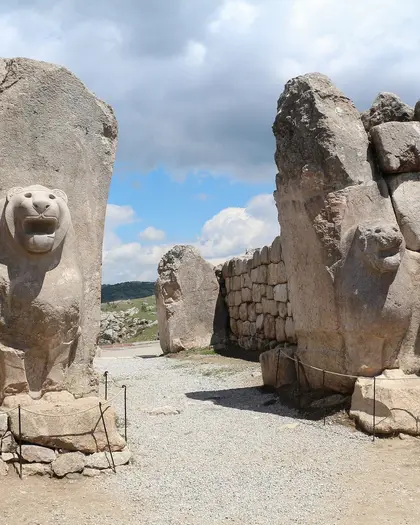
Hattusa was the capital of the Hittite Empire, and its temples, royal residences and fortifications still show how the city was organised. Carvings adorn the Lions’ Gate and the King’s Gate, and the open-air sanctuary of Yazılıkaya, with its processions of Hittite gods and goddesses, is part of the site.
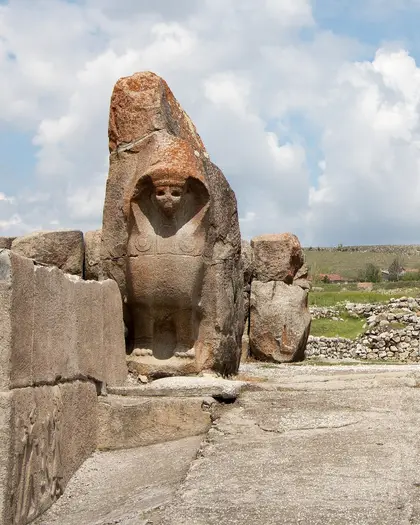
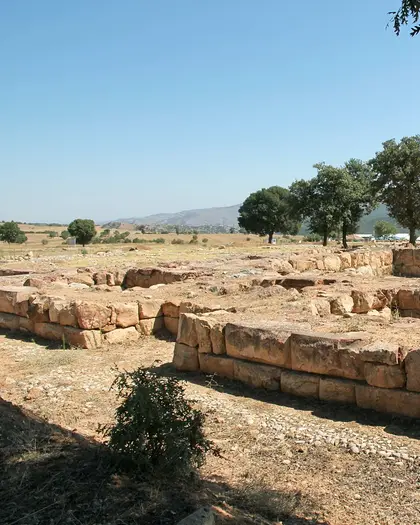
Shapinuwa was one of the Hittite state’s chief centres of government, military affairs and religion; letters to the great king and queen show that a royal couple lived there. At Alacahöyük, later an important Hittite cult and art centre, the sphinx gate and relief orthostats still stand in place.
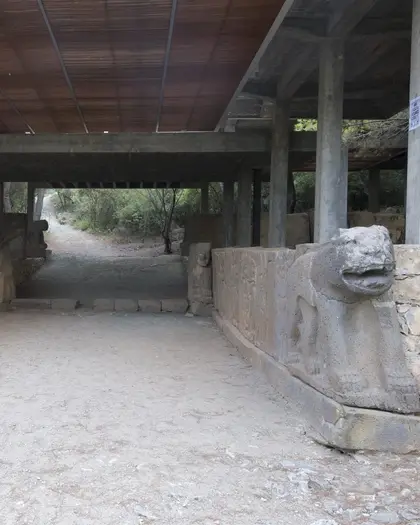
At Karatepe-Aslantaş, the Iron Age fortress of Azatiwataya on the Ceyhan River, the monumental gates are lined with reliefs, and the site is known for a bilingual inscription in Phoenician and Hieroglyphic Luwian.
Cities on this list
Related topics
Photo credits
- Alacahöyük Archaeological Site
Photo: “Sphinx Gate, Alaca Höyük 02”, Bernard Gagnon · CC BY-SA 3.0 · Wikimedia Commons. Cropped and resized for the web.
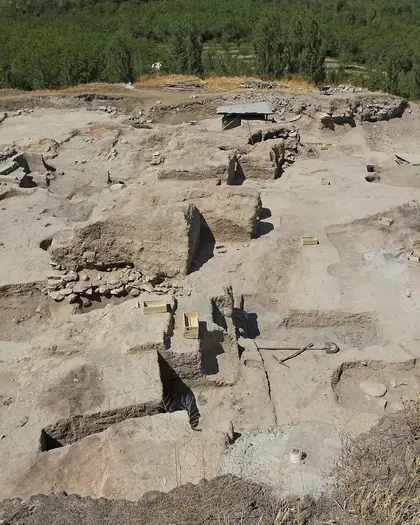
- Arslantepe Mound
Photo: “Arslantepe7”, Klaus-Peter Simon · CC BY-SA 3.0 · Wikimedia Commons. Cropped and resized for the web.
- Hattusa
Photo: “Lion Gate, Hattusa 08”, Bernard Gagnon · CC BY-SA 3.0 · Wikimedia Commons. Cropped and resized for the web.
- Karatepe-Aslantaş Archaeological Site
Photo: “Karatepe North Gate portal 5321”, Dosseman · CC BY-SA 4.0 · Wikimedia Commons. Cropped and resized for the web.
- Shapinuwa
Photo: “Sapinuwa3”, Klaus-Peter Simon · CC BY-SA 3.0 · Wikimedia Commons. Cropped and resized for the web.


