
The Neolithic and Chalcolithic
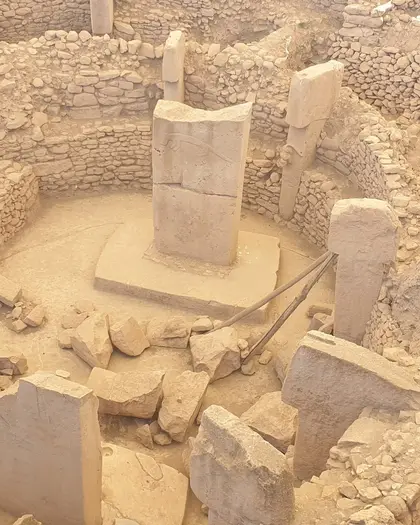
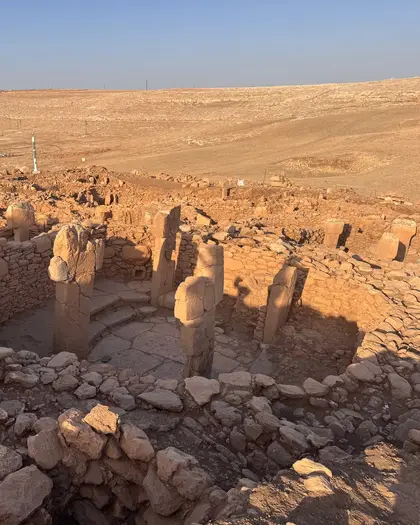
Hunter-gatherers of the Pre-Pottery Neolithic built Göbekli Tepe in the Germuş Mountains. At Karahantepe the heads of T-shaped pillars still break the surface, and in its ‘Quarries’ the pillars were cut from the bedrock.
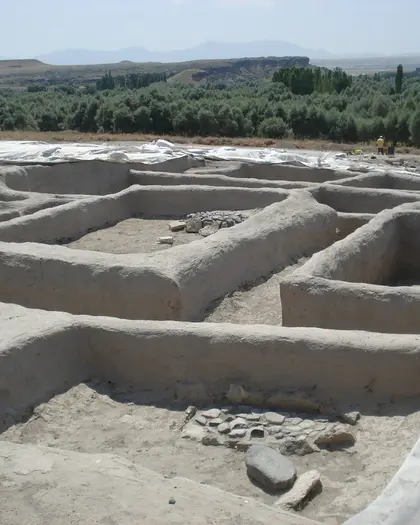
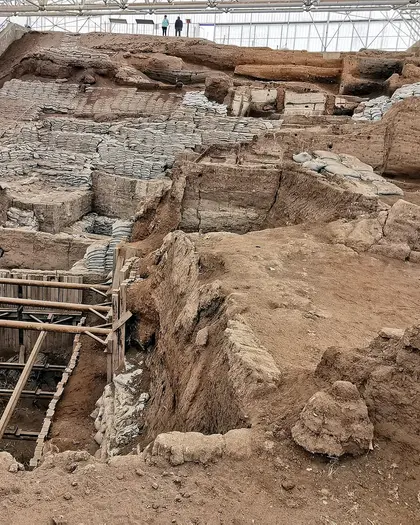
At Aşıklı Höyük the layers run from the semi-subterranean houses of the 9th millennium BC to the rectangular mud-brick buildings of the 8th. Çatalhöyük’s East Mound holds eighteen Neolithic building levels dated between 7400 and 6200 BC, and its West Mound shows how life changed in the Chalcolithic period.
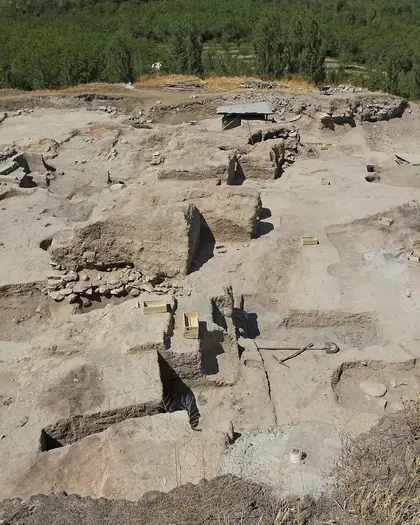
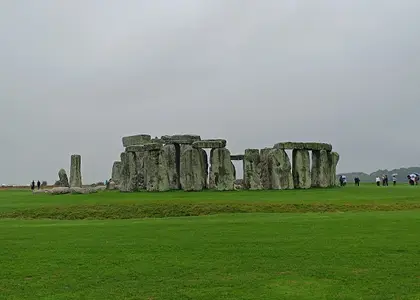
Arslantepe Mound preserves evidence of early state administration. In Wiltshire, researchers are still working out how the stone circles of Stonehenge and Avebury related to the sky; with the Neolithic monuments around them, they are an unrivalled source on prehistory.
Cities on this list
Related topics
Photo credits
- Arslantepe Mound
Photo: “Arslantepe7”, Klaus-Peter Simon · CC BY-SA 3.0 · Wikimedia Commons. Cropped and resized for the web.
- Aşıklı Höyük
Photo: “Hearths in houses asikli hoyuk”, Kvaestad · Public domain · Wikimedia Commons. Cropped and resized for the web.
- Göbekli Tepe
Photo: “Gobeklitepe”, Kerimbesler · CC BY-SA 4.0 · Wikimedia Commons. Cropped and resized for the web.
- Karahantepe Archaeological Site
Photo: “Karahan Tepe”, Campels · CC0 · Wikimedia Commons. Cropped and resized for the web.
- Neolithic Site of Çatalhöyük
Photo: “Çatalhöyük, 7400 BC, Konya, Turkey - UNESCO World Heritage Site, 10”, Murat Özsoy 1958 · CC BY-SA 4.0 · Wikimedia Commons. Cropped and resized for the web.
- Stonehenge
Photo: “Stonehenge complex, 2024”, Hotolmo22 · CC0 · Wikimedia Commons. Cropped and resized for the web.


