
Ancient cities of Cilicia
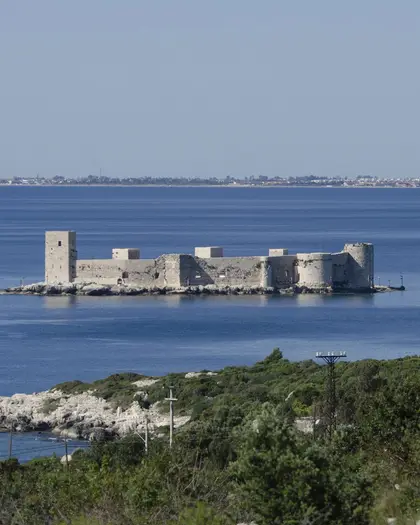
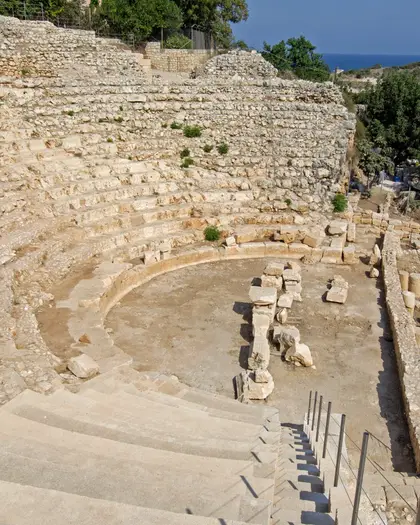
On the coast of Rough Cilicia, Korykos combines a Hellenistic city, a Roman necropolis and early Christian churches with two castles: one on the shore and the Maiden’s Castle on an islet some 200 metres offshore. Elaiussa Sebaste, says Strabo, arose from the union of two towns, and lay partly on the mainland and partly on the island facing it.
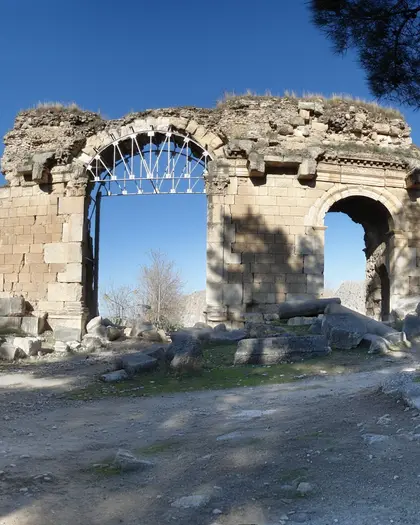
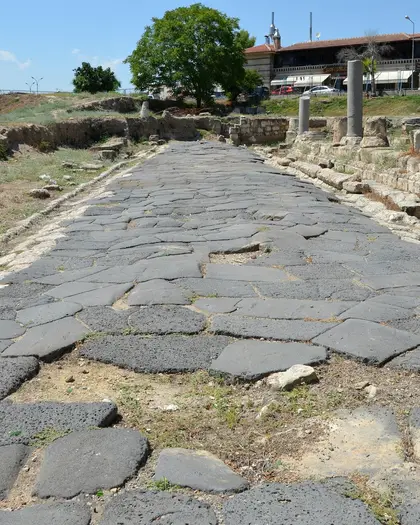
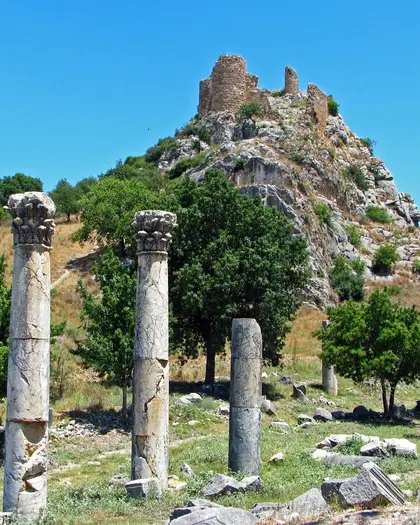
At Tarsus the ancient remains lie scattered through the modern town; Gözlükule Mound, the city’s harbour in antiquity, was inhabited from the Neolithic to the Islamic period. Anazarbos, in the Cilician plain, was a Roman regional metropolis and preserves a triumphal arch and a colonnaded avenue, and Kastabala, beside the Ceyhan, the ancient Pyramos, was the cult centre of Artemis Perasia.
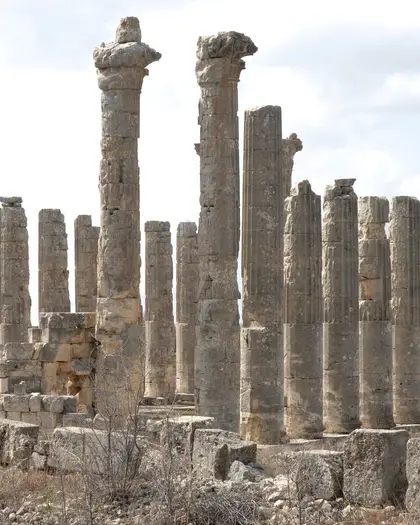
Uzuncaburç was the sanctuary of the Hellenistic kingdom of Olba, and the Temple of Zeus Olbios survives from that time; in AD 72 the town broke away from Olba as the self-governing city of Diocaesarea.
Cities on this list
- Ancient City of Anazarbos Türkiye · Roman–Byzantine Period
- Ancient City of Korykos Türkiye · Hellenistic Period
- Ancient Tarsus Türkiye · Neolithic–Byzantine Period
- Elaiussa Sebaste Türkiye · Late 2nd century BC–early 7th century AD
- Hierapolis Kastabala Archaeological Site Türkiye · Roman Period (2nd–3rd century AD structures)
- Uzuncaburç Archaeological Site (Diocaesarea) Türkiye · Hellenistic–Roman Period
Related topics
Photo credits
- Ancient City of Anazarbos
Photo: “Anazarbus klikya city south gate”, MUSTAFA TOR at English Wikipedia · CC BY-SA 3.0 · Wikimedia Commons. Cropped and resized for the web.
- Ancient City of Korykos
Photo: “Korykos - Kızkalesi 02”, Zeynel Cebeci · CC BY-SA 4.0 · Wikimedia Commons. Cropped and resized for the web.
- Ancient Tarsus
Photo: “Tarsus, Cilicia, Turkey (37495611872)”, Carole Raddato from FRANKFURT, Germany · CC BY-SA 2.0 · Wikimedia Commons. Cropped and resized for the web.
- Elaiussa Sebaste
Photo: “Elaiussa Sebaste Theatre 2144”, Dosseman · CC BY-SA 4.0 · Wikimedia Commons. Cropped and resized for the web.
- Hierapolis Kastabala Archaeological Site
Photo: “Castabala 2”, Ozgurmulazimoglu · CC BY-SA 3.0 · Wikimedia Commons. Cropped and resized for the web.
- Uzuncaburç Archaeological Site (Diocaesarea)
Photo: “Diocaesarea (Isauria) Zeus temple exterior from northeast 3426”, Dosseman · CC BY-SA 4.0 · Wikimedia Commons. Cropped and resized for the web.


