
Ancient cities of Eastern and South-Eastern Anatolia
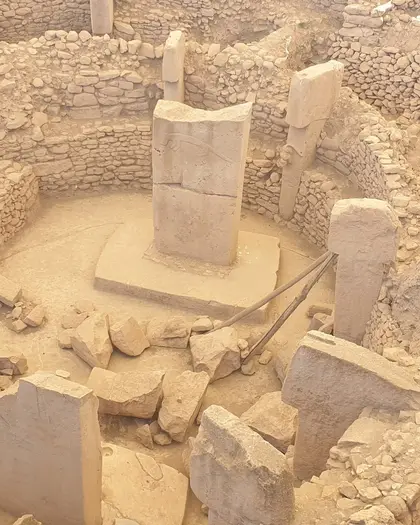
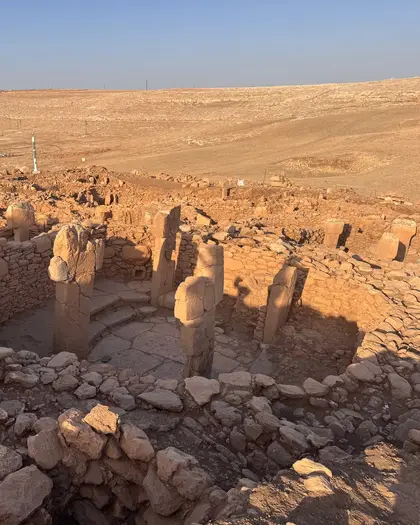
The megalithic buildings of Göbekli Tepe are round-oval or rectangular in plan, with wild animals carved in relief on their T-shaped pillars; at Karahantepe, too, the heads of T-shaped pillars break the surface. Arslantepe, a multi-layered mound in the Malatya plain, is known for its Late Chalcolithic palace complex and some of the world’s earliest known swords.
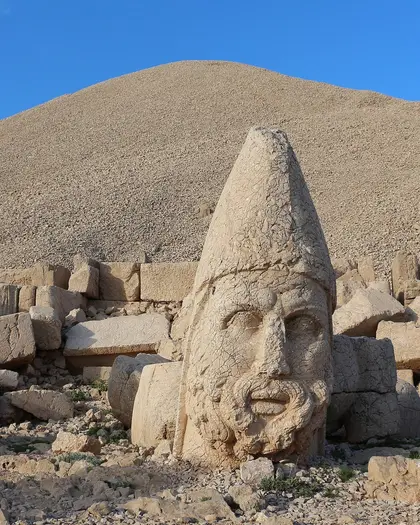
Tushpa, capital of the Urartian kingdom, takes in Van Fortress; Sarduri II built Çavuştepe, and Ayanis sheds light on the kingdom’s last years. On Mount Nemrut, Antiochus I of Commagene built a burial mound whose statue-lined terraces portray gods that blend Greek and Persian traditions, and Zeugma, at a major Euphrates crossing, was a centre of commerce.
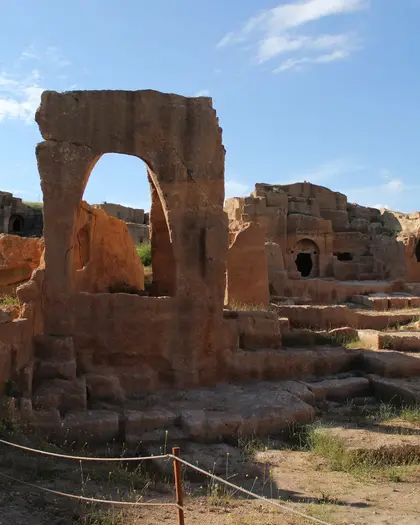
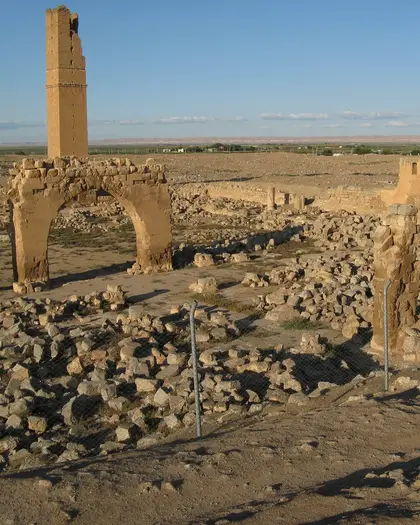
Zerzevan was a garrison complex on Rome’s eastern frontier, and the Eastern Roman emperor Anastasius I turned Dara into the administrative and military base for Mesopotamia. Harran served as capital of both the Neo-Assyrian kingdom and the Umayyad state, and Ani controlled a branch of the Silk Road in the 10th and 11th centuries.
Cities on this list
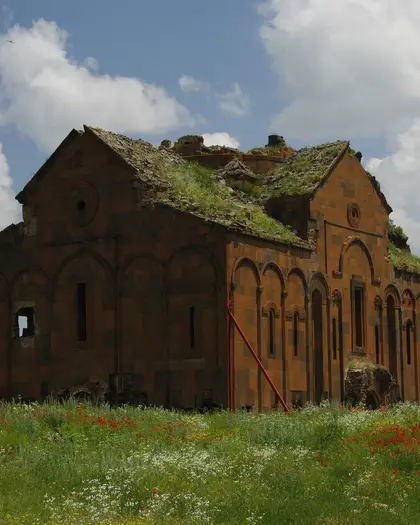
- Archaeological Site of Ani Türkiye · 10th–11th centuries AD
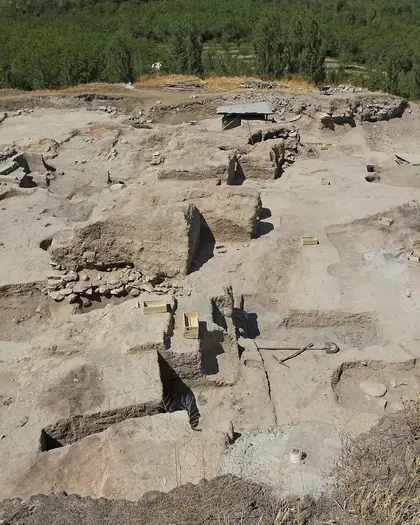
- Arslantepe Mound Türkiye · 4th millennium BC
- Ayanis Fortress Türkiye · 645–643 BC
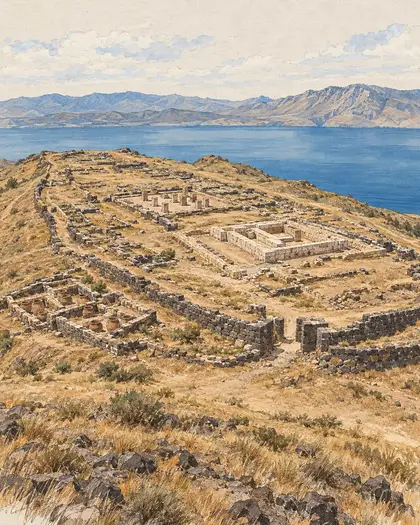 Illustration
- Çavuştepe Castle (Sardurihinili) Türkiye · 764–735 BC (reign of Sarduri II)
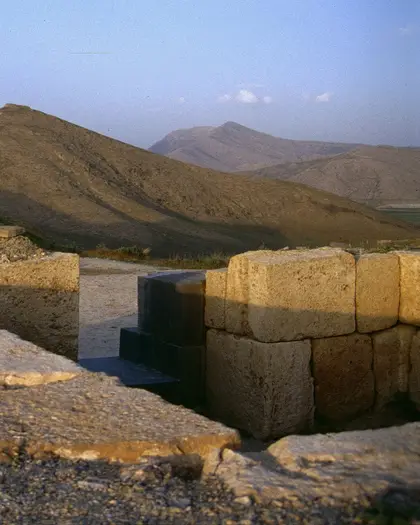
- Dara Archaeological Site Türkiye · AD 503–507 (Anastasius) and later
- Göbekli Tepe Türkiye · 9600–8200 BC
- Harran Archaeological Site Türkiye · Assyrian to Ayyubid periods
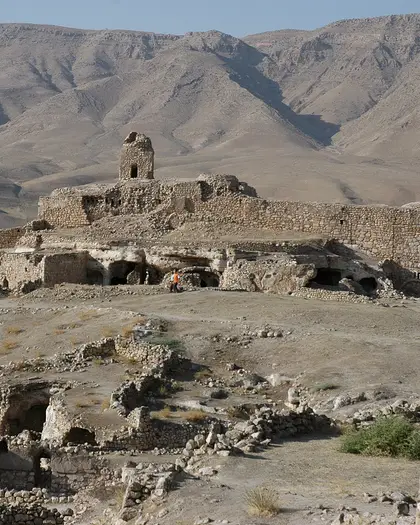
- Hasankeyf Türkiye · Roman–Ottoman Period
- Karahantepe Archaeological Site Türkiye · Neolithic
- Mount Nemrut Türkiye · 1st century BC
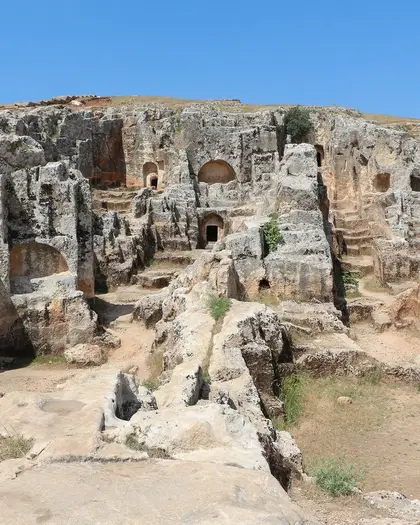
- Pirin Perre Archaeological Site Türkiye · 163 BC–AD 72 (Commagene) and later
- Tushpa / Van Fortress Türkiye · 9th–6th centuries BC
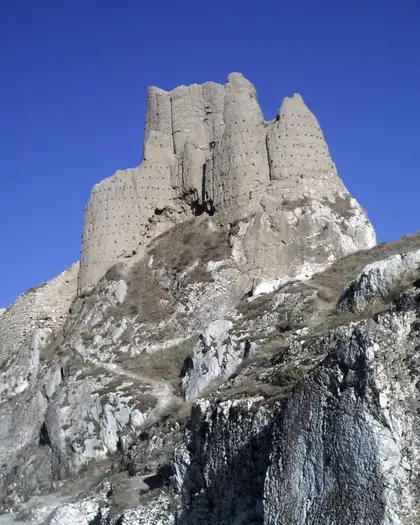
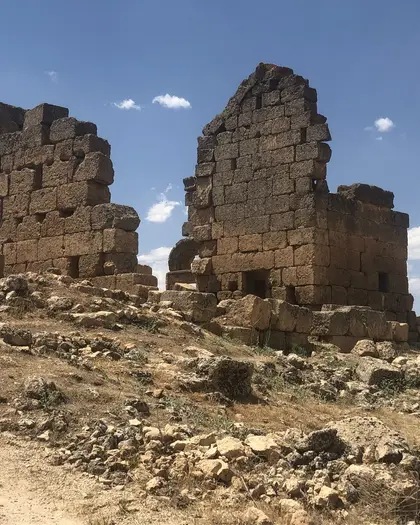
- Zerzevan Castle and Mithraeum Türkiye · 3rd century AD
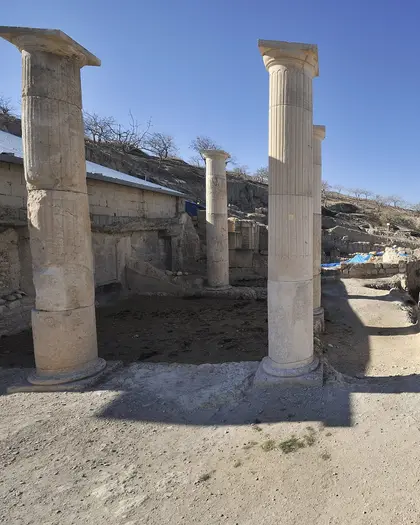
- Zeugma Türkiye · c. 300 BC
Related topics
Photo credits
- Archaeological Site of Ani
Photo: “Cathedral of Ani”, Martin Lopatka · CC BY-SA 2.0 · Wikimedia Commons. Cropped and resized for the web.
- Arslantepe Mound
Photo: “Arslantepe7”, Klaus-Peter Simon · CC BY-SA 3.0 · Wikimedia Commons. Cropped and resized for the web.
- Ayanis Fortress
Illustration: Made for Antigone, not a photograph.
- Çavuştepe Castle (Sardurihinili)
Photo: “OTCavustepeTempel”, Ziegler175 · CC BY-SA 4.0 · Wikimedia Commons. Cropped and resized for the web.
- Dara Archaeological Site
Photo: “Dara Nekropol Alanı”, Hamdigumus · CC0 · Wikimedia Commons. Cropped and resized for the web.
- Göbekli Tepe
Photo: “Gobeklitepe”, Kerimbesler · CC BY-SA 4.0 · Wikimedia Commons. Cropped and resized for the web.
- Harran Archaeological Site
Photo: “Ruins of Harran - panoramio”, Alen Ištoković · CC BY 3.0 · Wikimedia Commons. Cropped and resized for the web.
- Hasankeyf
Photo: “Hasankeyf On citadel hill Palace area 1875”, Dosseman · CC BY-SA 4.0 · Wikimedia Commons. Cropped and resized for the web.
- Karahantepe Archaeological Site
Photo: “Karahan Tepe”, Campels · CC0 · Wikimedia Commons. Cropped and resized for the web.
- Mount Nemrut
Photo: “Nemrut Dağı 13”, Bernard Gagnon · CC BY-SA 3.0 · Wikimedia Commons. Cropped and resized for the web.
- Pirin Perre Archaeological Site
Photo: “Necropolis of Perre 02”, Bernard Gagnon · CC BY-SA 3.0 · Wikimedia Commons. Cropped and resized for the web.
- Tushpa / Van Fortress
Photo: “Merkez Kalesi (Van, Türkiye)”, Mevlüt Kılıç · CC BY-SA 3.0 · Wikimedia Commons. Cropped and resized for the web.
- Zerzevan Castle and Mithraeum
Photo: “Zerzevan Kalesi 3”, Chansey · CC BY-SA 4.0 · Wikimedia Commons. Cropped and resized for the web.
- Zeugma
Photo: “Zeugma dec 2008 7387”, Dosseman · CC BY-SA 4.0 · Wikimedia Commons. Cropped and resized for the web.


